What Happens After You Win: Payment and Collection Guide
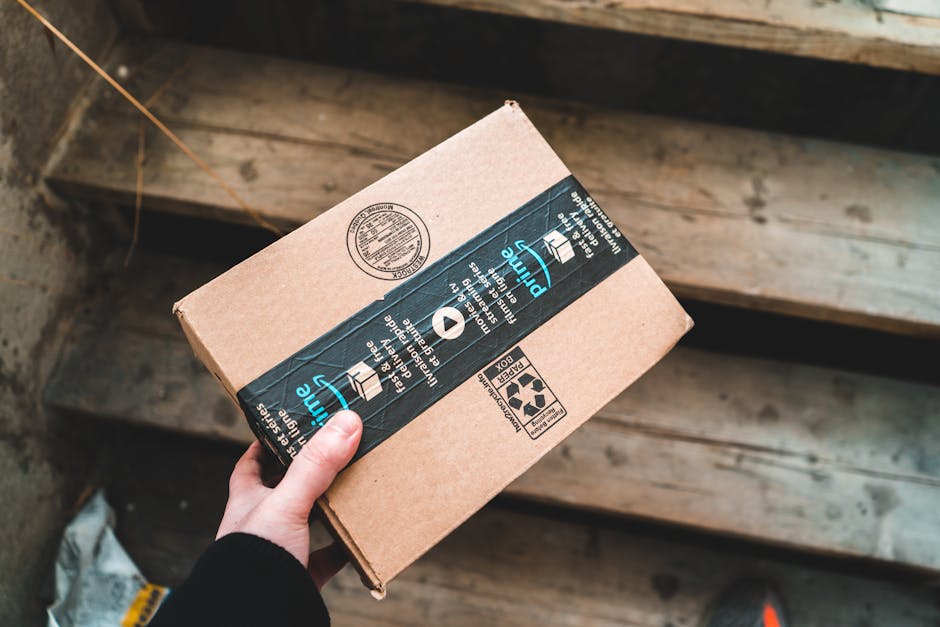
Winning an auction is exciting, but the process doesn't end when the gavel falls. Knowing what happens next—payment arrangements, collection options, and potential complications—ensures your purchase runs smoothly from sale completion to your hands.
Payment Deadlines and Methods
Most UK auction houses require payment within a specified timeframe, typically 7 to 14 days after the sale closes. Check your invoice or confirmation email for the exact deadline. Auctioneers accept various payment methods: bank transfer, cheque, credit card, and increasingly, online payment systems. Some charge handling fees for certain payment methods, so factor this into your budget. Always pay promptly to maintain good standing and avoid holding fees on items.
Understand Your Collection Options
Auction houses typically offer several collection methods. You can collect in person during designated collection periods, usually within two weeks of the sale. Some charge storage fees if you don't collect within this window. Alternatively, many auctioneers arrange professional courier delivery for a fee. For valuable or fragile items, ask about insurance options. International shipping is available for some items, though costs can be substantial.
Arrange Collection or Delivery
If collecting yourself, confirm the exact location, opening hours, and any access requirements before visiting. Some auction rooms have limited parking or require appointments. For delivery, obtain a detailed quote including insurance and delivery timeframe. Confirm the delivery address is correct—mistakes here cause unnecessary delays. Take photographs of items before they're packed, establishing their condition as you received them.
Inspect Items Upon Receipt
Whether you collect or receive delivery, inspect items immediately. Check for damage, missing parts, or discrepancies with the catalogue description. If there's an issue, photograph it and contact the auctioneer within 24 to 48 hours. Most auctioneers take damage claims seriously and will investigate. However, once you've accepted an item, claims become harder to pursue, so don't delay reporting problems.
Handle Paperwork and Documentation
Request all relevant documentation: invoices, receipt of sale, provenance information, and certificates of authenticity if applicable. These documents are valuable for insurance purposes and if you later resell the item. Keep these safely. For items requiring registration—such as certain furniture or vehicles—confirm the auctioneer has provided all necessary paperwork to transfer ownership.
Arrange Insurance if Needed
Before items leave the auction house, consider whether you need insurance. The auctioneer's responsibility typically ends once you've taken possession. If you're collecting valuable items or arranging long-distance delivery, insurance protects against loss or damage in transit. Obtain a quote based on the item's hammer price.
Resolve Disputes Professionally
If problems arise—items not matching descriptions, damage in transit, or payment issues—contact the auctioneer in writing, keeping records of all correspondence. Most reputable houses resolve disputes fairly. If informal resolution fails, check whether the auctioneer is registered with a dispute resolution scheme, which can arbitrate disagreements.